Chocolate gifts in Brussels
For Saint Nicholas, for Christmas or to thank a team, a box of chocolates is quick to buy and harder to choose well than it looks. Picking the format, reading the label, keeping the box in shape until the big day, taking it on a journey: here is what to know, backed by official texts.
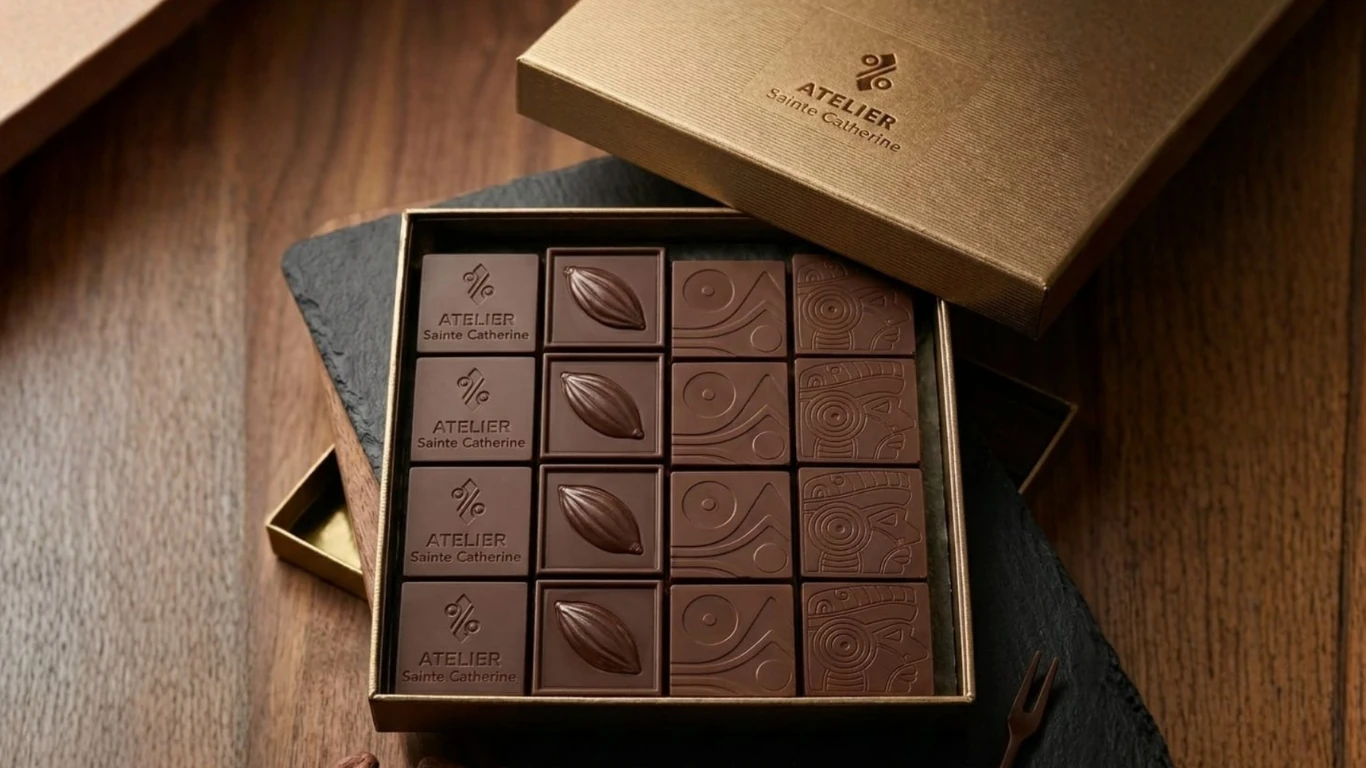
Bar, praline or truffle: which should you give, and to whom?
Give a bar to someone who likes comparing origins and reading labels, a box of pralines or truffles to someone who likes sharing at the table, and mini bars to someone who wants to taste several chocolates without choosing. The right gift depends mostly on the moment: a personal gesture, a festive table or a thank-you for a whole team.
A bar suits careful tasting, square by square. In Belgium, a bar of dark or milk chocolate must state its minimum cocoa content (royal decree of 19 March 2004): a handy way to compare two origins, or two percentages from the same bean.
The praline has a legal definition: a bite-sized product made of filled chocolate, or of chocolate combined with other ingredients, with chocolate making up at least 25% of its weight (same decree). An assorted box is made for sharing: everyone picks their own.
The truffle is not defined in that decree, and recipes vary from one house to the next. If the person avoids an ingredient or has an allergy, ask for the composition before you buy, piece by piece if need be.
What goes in the shoe for Saint Nicholas?
Saint Nicholas, or Sinterklaas, is celebrated on the night of 5 to 6 December. According to Flanders' inventory of intangible cultural heritage, the saint then brings presents to good children, and the typical treats are chocolate and marzipan figures, speculoos, mandarins, chocolate coins in gold foil and small dry letter-shaped biscuits.
The same inventory describes the ritual: children set out their shoe with a carrot, a turnip and a few sugar lumps for the saint's horse, next to a drawing and a letter with their wishes; in the morning, the room is full of sweets and toys. It also notes that many Flemish towns welcome the saint with festivities between late October and late November, so it pays to buy the chocolate early.
For a child's shoe, think of small formats that are easy to slip in and share. For a grown-up who still loves Saint Nicholas, a single-origin bar or a selection of mini bars makes a more personal gift.
Which chocolate should you give at Christmas?
At Christmas, think of the table rather than one person: a box of pralines or truffles passed round with the coffee, or a tasting box opened together. For a host who prefers dark chocolate, a bar with a high cocoa content makes a fine end to the meal, broken into small squares and shared around the table.
A Christmas box often waits several days under the tree, in a car boot or near a radiator. Buy it early enough to choose calmly, but keep it cool and dry until the big night: heat and swings in temperature spoil the look of chocolate (see below).
If some guests have allergies, an assorted box calls for one more question: when an assortment is sold as assorted chocolates or under a similar name, Belgian rules allow a single list of ingredients for all its pieces (royal decree of 19 March 2004), so the label will not necessarily say which piece contains what.
How do you choose a corporate chocolate gift?
Start from the number of people and the message, then choose the same format for everyone, easy to carry and with a known composition. Contact the chocolate maker early, especially for December, and ask for the list of allergens before you confirm: the box will be opened far from the shop, with no one there to answer questions.
That last point matters. For chocolates sold loose at the counter or packed at your request, EU Regulation 1169/2011 makes allergen information compulsory without, on its own, requiring the rest of the label; in Belgium, it must in principle be available in writing where the product is sold, and may be given orally only under conditions, including trained staff (royal decree of 17 July 2014). For a gift handed out to dozens of people, ask for it in writing.
A single format keeps things simple: same box, same contents, same list of ingredients. For a special order, talk to the chocolate maker directly: they will tell you what they can do, and how long they need.
Which allergens must a box of chocolates show?
EU Regulation 1169/2011 lists fourteen allergens that must be declared whenever they are used and still present in the finished product. In a box of chocolates, look out in particular for milk, nuts (almonds, hazelnuts, walnuts, pistachios and others), eggs and soy, all of which are on that list.
On a prepacked box, these allergens appear in the list of ingredients, emphasised, for example by the font, style or background colour. Where there is no list of ingredients, the statement must include the word ‘contains’, followed by the name of the allergen (Article 21 of the regulation).
For chocolates sold at the counter, the information is still compulsory. In Belgium, it must be available in writing, on paper or on screen, where the product is sold; failing that, it may be given orally under conditions: at the customer's request, without delay, before purchase, free of charge and by staff trained in food allergies (royal decree of 17 July 2014). For an assorted box, ask for the details piece by piece.
How do you keep chocolates in good shape until the big day?
Keep them well wrapped in a cool, dry place at a steady temperature, away from strong smells. Luxembourg's veterinary and food administration (ALVA) puts the ideal temperature at 18 to 20°C, with relative humidity of no more than 50 to 55%. On a prepacked box, any special storage conditions appear on the label (Regulation 1169/2011).
The white or greyish film that sometimes appears on the surface is called bloom. The ALVA describes two kinds: fat bloom, when cocoa butter moves to the surface with changes in temperature and crystallises there, and sugar bloom, caused by moisture, which dissolves a little sugar on the surface before it crystallises again.
The classic trap is moving chocolate too quickly from a cool place to a much warmer one. The chocolate then sweats, the ALVA explains, and the moisture on its surface encourages sugar bloom. Bloomed chocolate is still fine to eat: it is mostly a matter of looks, although bloom can sometimes change the texture or taste a little.
What is the best way to bring chocolate back from Brussels?
Mind the airport rules and keep it cool. From an EU airport, liquids, aerosols and gels may as a rule go in hand luggage only in containers of 100 ml or less, in a clear bag of up to one litre. The EU definition also covers pastes and liquid/solid mixtures, so a chocolate spread counts. A bar is a solid.
For filled pralines or truffles, check before you fly: for the detailed list of prohibited items, the EU's Your Europe portal points to your airport's website or your airline. In the cabin or in the hold, protect the box from heat and sudden changes in temperature, which encourage bloom.
If you are heading to Great Britain (England, Scotland and Wales), the UK government allows chocolate and confectionery for your own use without any restrictions, except those made with a lot of unprocessed dairy ingredients. For any other destination, check that country's import rules before you leave.
What else should you know before giving chocolates?
In short: bloomed chocolate is still safe to eat, sudden changes in temperature are best avoided, a box of pralines does not have to show a cocoa percentage, and Saint Nicholas is celebrated on the night of 5 to 6 December. For a corporate order, contact the chocolate maker directly. Here are the details, question by question.
Is bloomed chocolate still good? Yes. For the ALVA, bloom is more of a visual problem and does not affect food safety; the texture or taste may change a little, but this is usually barely noticeable.
Should chocolates go in the fridge? The ALVA fact sheet does not mention the fridge, but it puts the ideal temperature at 18 to 20°C and warns against moving chocolate too quickly from a cool place to a warmer one, which makes it sweat. Unless the label says otherwise, a cool, dry cupboard, away from any heat source, is therefore better.
Does a box of pralines show the cocoa percentage? Not necessarily. The royal decree of 19 March 2004 requires a minimum cocoa statement on chocolate and milk chocolate, but not on pralines.
When is Saint Nicholas celebrated? On the night of 5 to 6 December; in the morning, children find sweets and toys.
Can a company order chocolates from the Atelier Sainte Catherine? Contact us: by phone at either of our two shops, or by email at info@ateliersaintecatherine.be.
What does the Atelier Sainte Catherine offer as gifts?
Our boxes of pralines and truffles, the Terra box ‘Journey to the land of cocoa’, our single-origin bars and mini bars, our mendiants and our candied orange peel. For a corporate gift or a special order, contact us: by phone at either of our two shops, or by email at info@ateliersaintecatherine.be.
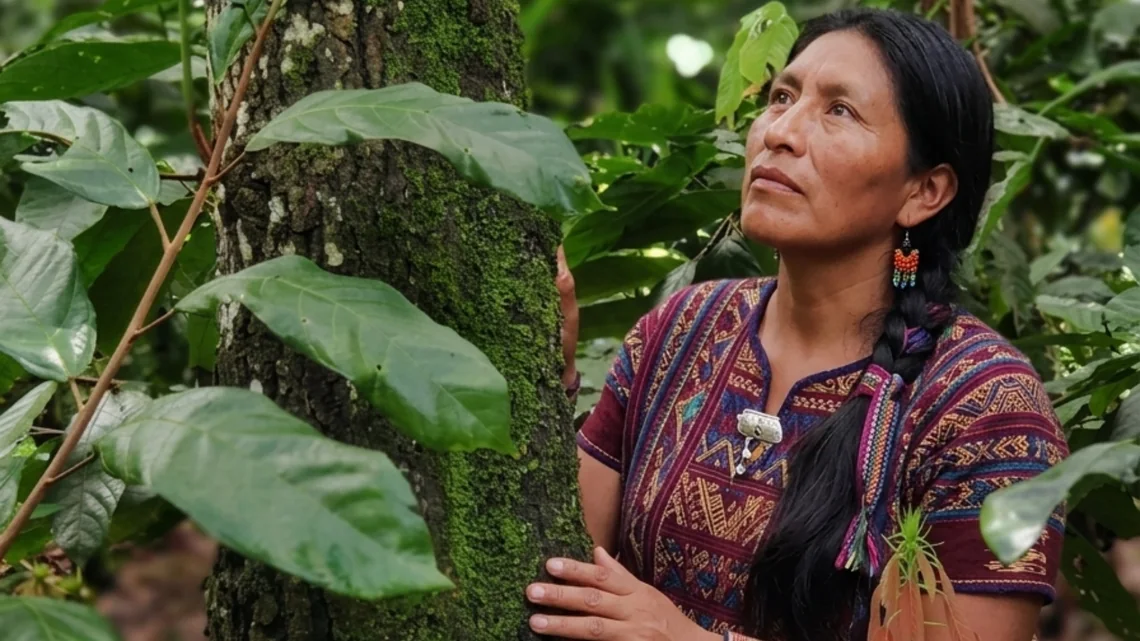
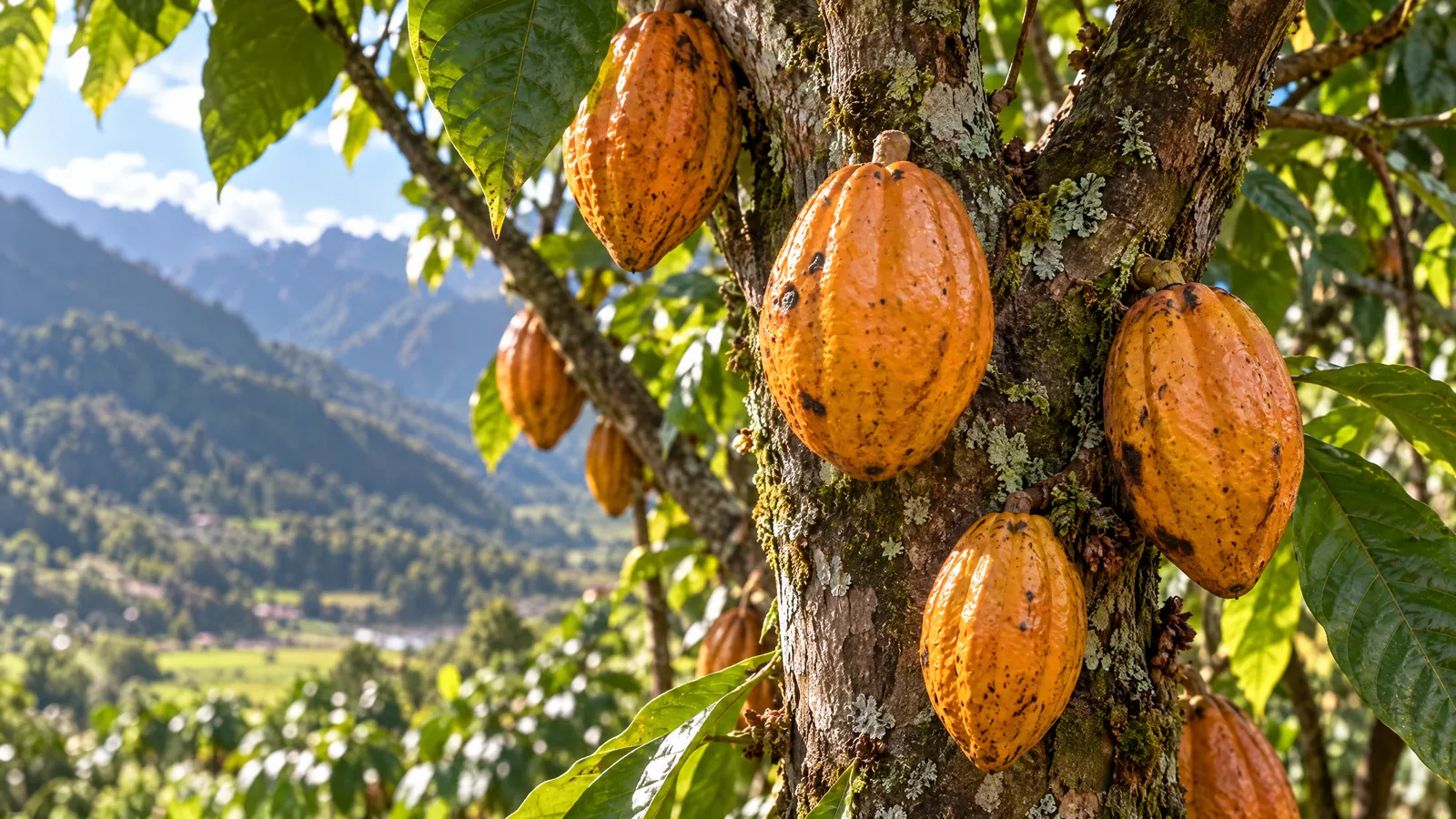
Our Tree to Bar bars come from native Peruvian cocoas, followed from the tree by a specialised partner, then finished in our workshop on the Quai aux Briques: Amazonas (Vraem), Cacao Blanco (Piura) and Solo Cacao (Cusco). Our dark bars contain three ingredients only: pure cocoa mass, cocoa butter from the same beans and panela cane sugar; Solo Cacao is even made without added cocoa butter. Amazonas and Cacao Blanco also come as milk chocolate (50%). The Terra box holds sixteen mini bars from these three terroirs.
Our pralines and truffles are a selection from the craft of a partner chocolate maker, known for his command of textures and flavours. Our mendiants pair our chocolate with Piedmont hazelnut, Avola almond, Périgord walnut, Bronte pistachio and raisins, so they contain nuts. Our orangettes are candied orange peel coated in dark chocolate.
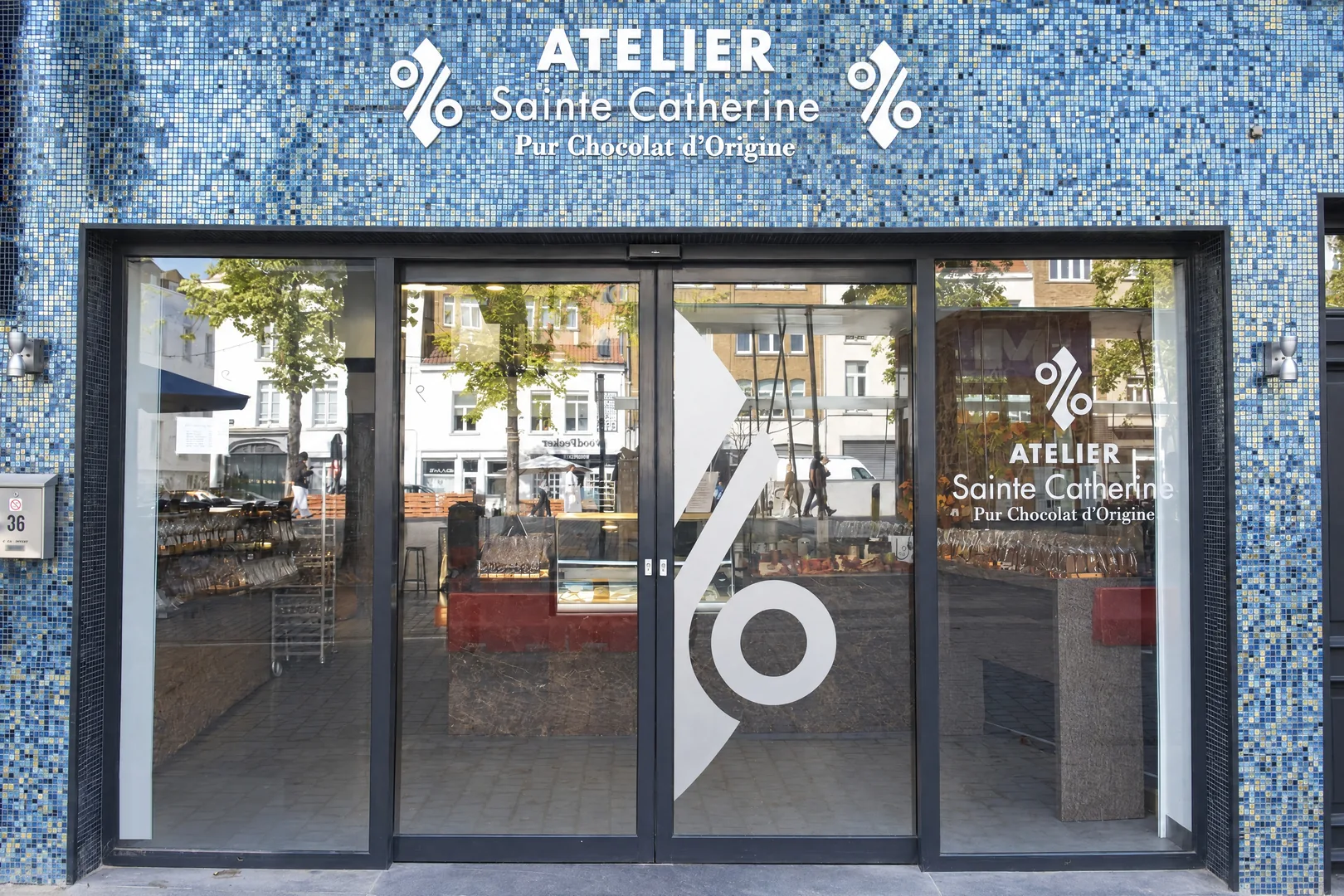
You will find our creations in our two shops: in Sainte-Catherine, Quai aux Briques 36, where the shop is part of the workshop, and at the Sablon, Rue de Rollebeek 26, between the Grand Sablon and the Grand-Place, where you can also taste on the spot. To know the allergens of a specific product, ask in the shop or write to us.
Sources
- Flanders' inventory of intangible cultural heritage, Saint Nicholas and Saint Martin customs (in Dutch)
- Belgian royal decree of 19 March 2004 on cocoa and chocolate products (Justel, in French)
- Regulation (EU) 1169/2011 on the provision of food information to consumers (EUR-Lex)
- Belgian royal decree of 17 July 2014 on allergens in non-prepacked foods (Justel, in French)
- ALVA (Luxembourg), Le phénomène du blanchiment du chocolat, scientific fact sheet, 2024 (PDF, in French)
- Commission Implementing Regulation (EU) 2015/1998 on aviation security, Annex, point 4.0.4 (EUR-Lex)
- Your Europe, luggage restrictions
- GOV.UK, Bringing food into Great Britain